
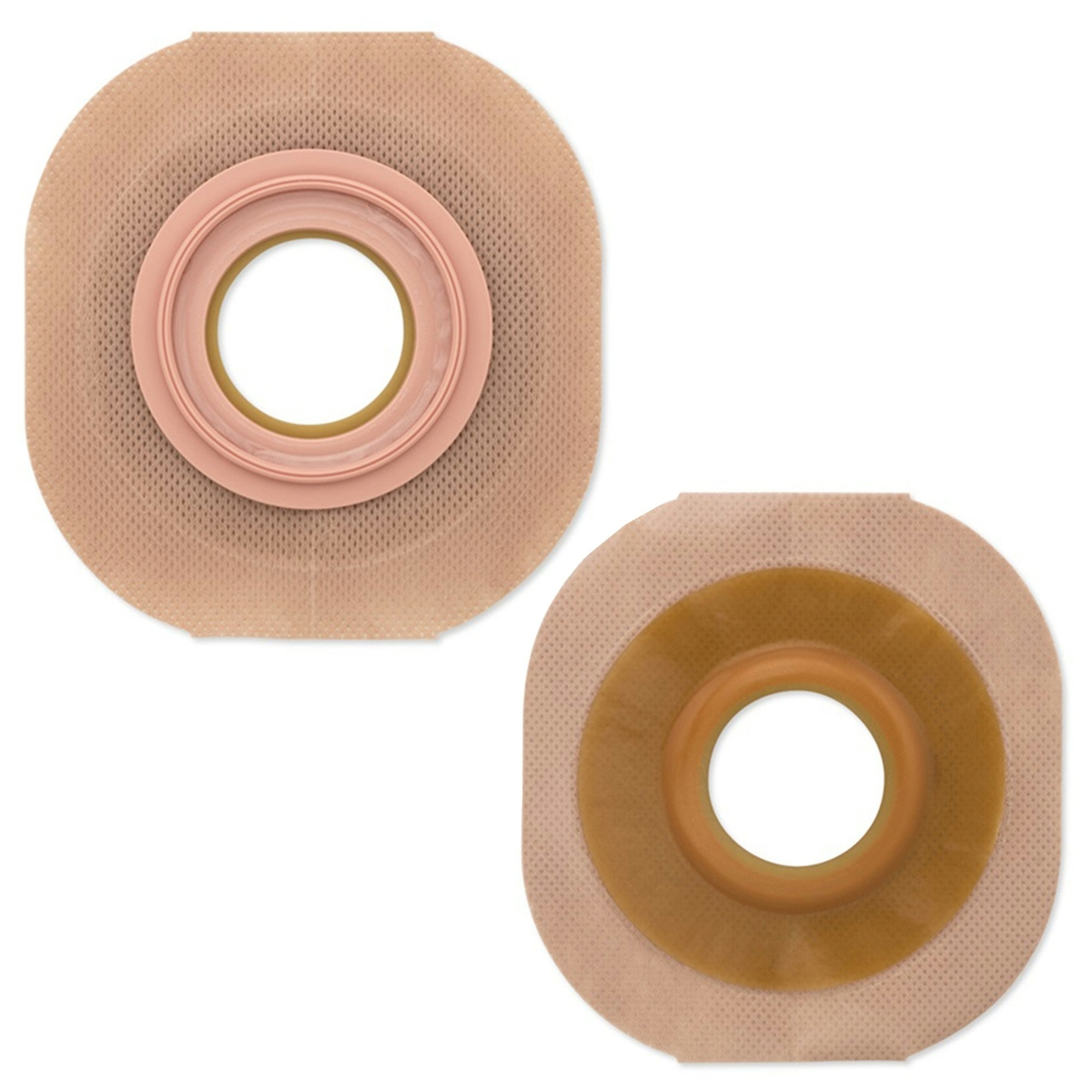
The Hollister 14910 Precut Extended Wear Ostomy Barrier Adhesive Tape 70 Mm Flange 5 Ea is a Flextend barrier designed for extended wear in a two-piece pouching system. This barrier features an integrated floating flange to help minimize abdominal pressure when attaching a pouch and built-in convexity to protect skin for recessed, retracted, and flush stomas. It comes with pre-cut openings and a blue color match for easy identification and application. This product is designed to protect skin over extended wearing time from irritating discharge and to support secure pouch attachment on the abdomen.
Key benefits
- Floating Flange: Eliminates pressure on tender post operative abdomens by allowing fingers to slide under the flange during pouch attachment.
- Integrated Convexity: Provides added security and skin protection for challenging stoma positions.
- Pre-cut Openings: Simplifies fit and reduces need for manual cutting at application.
- Extended Wear Durability: The Flextend barrier is designed to resist erosion and maintain protection over extended wearing time.
- Skin Protection: Helps shield skin from irritating discharge, supporting skin integrity around the stoma.
Key components and why they matter
- Flextend barrier: An extended wear skin barrier that is durable and resists erosion, part of a two-piece pouching system.
- Floating flange: Built-in feature that allows placement of fingers under the flange, reducing abdominal pressure during pouch attachment.
- Built-in convexity: Adds security for recessed, retracted, and flush stomas, helping maintain a protective seal.
- Pre-cut openings: Save time and improve accuracy when placing the barrier over the stoma site.
- Color match: Blue for easy visual confirmation during application.
Usage tips and suitability
- Designed for customers using a two-piece pouching system requiring an extended wear barrier with a flange.
- Best for stomas that are recessed, retracted, or flush due to its convexity and secure fit.
- Apply to clean, dry skin and align openings carefully with the stoma.
- Avoid excessive pressure or folding at the flange to maintain a seal.
- Storage: Keep in a cool, dry place away from direct sunlight and moisture.
These notes help you choose the right barrier for extended wear needs and challenging stoma positions. Follow the included product instructions for any specific heating times, durations, or adhesive guidelines if provided in packaging.
How to use Hollister Ostomy Barrier with Floating Flange
Step-by-step guidance to apply the 5 EA barrier with 70 mm flange on a two-piece pouching system.
-
Prepare skin
Clean the skin around the stoma and pat dry before applying the barrier.
-
Align openings
Position the barrier so the pre-cut openings align with the stoma and the floating flange rests comfortably against the abdomen.
-
Attach pouch
Gently attach the pouch to the barrier, sliding fingers under the floating flange to minimize abdominal pressure during attachment.
-
Check seal
Inspect the edges for a secure seal and ensure the convex area sits flush against the skin for best protection.
-
Safety and care
Follow any age or usage cautions provided with the product and store barriers in a cool, dry place away from children.
Frequently Asked Questions
What is the Hollister 14910 barrier best used for?
It is an extended wear ostomy barrier with a floating flange and built-in convexity, designed for a two-piece pouching system and for protection of skin around recessed, retracted, or flush stomas.
Who should consider this barrier?
Customers needing extended wear protection with a secure seal and reduced abdominal pressure during pouch attachment, especially those with tender post-operative abdomens or challenging stoma positioning.
What should I be careful about when applying this barrier?
Follow the included product instructions for application, ensure the skin is clean before applying, and avoid excessive pressure on the flange to maintain the seal.
Is this suitable for all stoma types?
The built-in convexity supports recessed, retracted, and flush stomas, but consult your clinician for fit based on your specific stoma position and skin condition.
What happens if the barrier is not fitting properly?
Recheck alignment of the pre-cut openings, re-clean the skin area, and reseal with a correctly positioned barrier to reduce leakage and skin irritation.






Reviews
There are no reviews yet.